
When you face a sports injury, it's easy to feel sidelined, but healing naturally can help you reclaim your game. By prioritizing rest and incorporating a balanced diet, you can support your body's recovery process. Exploring natural remedies and physical therapy techniques not only aids in pain relief but also enhances your mobility. As you consider these options, you might wonder how to effectively blend them into your routine for best results. What if there's a hidden connection between your mental approach and physical recovery that could accelerate your healing journey?
Understanding Sports Injuries
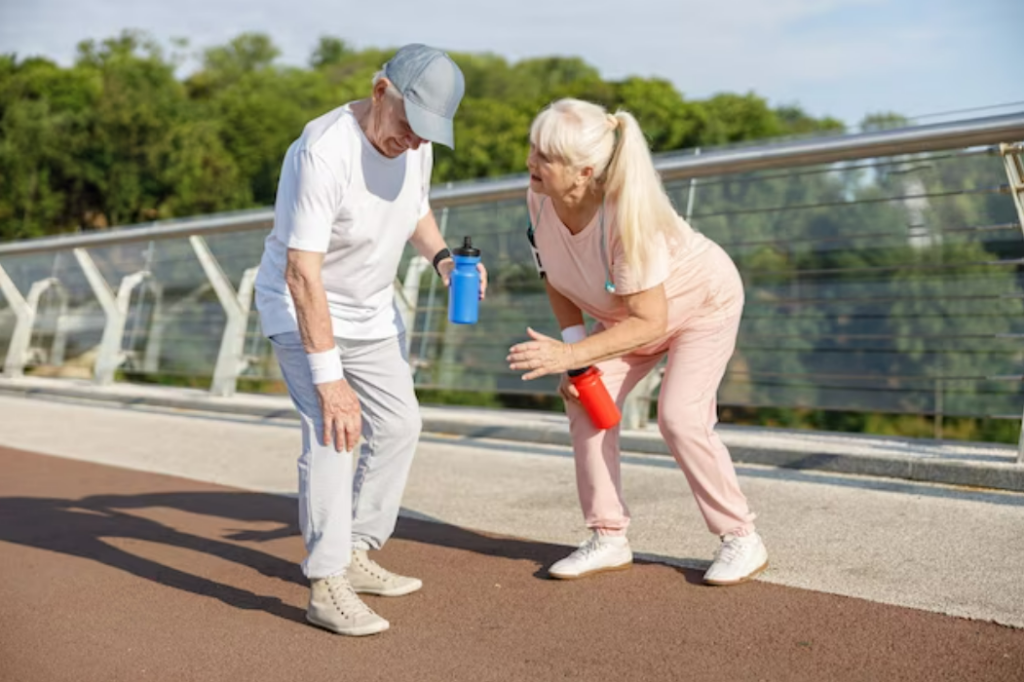
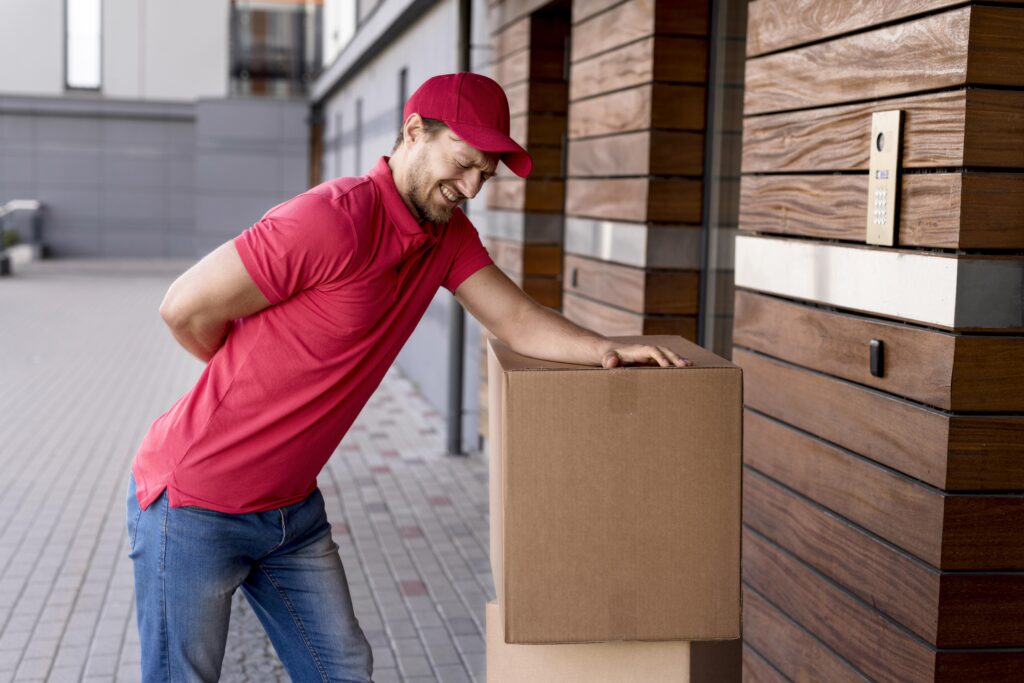
Sports injuries can feel like a sudden roadblock in your athletic journey. You're pushing your limits, feeling invincible, and then—bam! You twist an ankle or strain a muscle. Understanding the types of injuries you might face can help you navigate this challenging terrain more effectively.
Injuries typically fall into two categories: acute and chronic. Acute injuries occur suddenly, often resulting from a specific incident, like a fall or collision. You might experience sharp pain, swelling, or bruising right away.
Chronic injuries, on the other hand, develop gradually over time, often due to repetitive motions or overuse. These can manifest as dull aches or persistent discomfort during activities you once enjoyed.
Common sports injuries include sprains, strains, fractures, and tendonitis. Sprains involve overstretching or tearing ligaments, while strains affect muscles or tendons. Fractures are breaks in the bone, and tendonitis is inflammation of a tendon, often signaling overuse. Identifying the type of injury you're dealing with is essential for effective recovery.
You should also be aware of risk factors that may increase your likelihood of injury. Poor conditioning, improper gear, and inadequate warm-up routines can all contribute.
Pay attention to your body's signals; fatigue, pain, or discomfort shouldn't be ignored. By understanding the nature of sports injuries, you empower yourself to make informed decisions, ensuring you're better equipped to handle setbacks and return to your game stronger than ever.
The Importance of Rest
Rest is essential for your recovery and overall performance, especially after a sports injury. When you push through pain or fatigue, you risk prolonging your healing process and can even worsen your condition.
A well-timed rest period allows your body to repair itself, rebuilding tissues and reducing inflammation. It's not just about taking a break; it's a vital part of your healing journey.
Here are some key benefits of incorporating rest into your recovery routine:
- Reduces inflammation: Resting helps decrease swelling and irritation in injured areas, allowing for faster recovery.
- Boosts performance: Returning to your sport too soon can lead to subpar performance. Adequate rest guarantees you come back stronger and ready to excel.
- Prevents further injuries: By allowing your body to heal properly, you minimize the risk of re-injury, which can keep you sidelined even longer.
- Mental recovery: Rest isn't just physical; it's mental too. Giving yourself time to recuperate can help you regain your focus and motivation.
Natural Remedies for Pain Relief
When you're dealing with pain from a sports injury, natural remedies can offer effective relief.
You might find herbal pain relievers, cold and heat therapy, and essential oils to be powerful tools in your recovery arsenal.
Let's explore how these options can help ease your discomfort and speed up healing.
Herbal Pain Relievers
If you're seeking natural ways to ease pain from injuries, herbal pain relievers can offer effective alternatives to over-the-counter medications. These remedies harness the power of nature to help you manage discomfort without the side effects often associated with pharmaceuticals.
Here are some popular herbal options you might consider:
- Willow Bark: Often referred to as nature's aspirin, it contains salicin, which can reduce inflammation and alleviate pain.
- Turmeric: This golden spice has curcumin, known for its anti-inflammatory properties, making it great for joint pain.
- Ginger: With its natural analgesic qualities, ginger can help relieve muscle soreness and promote circulation.
- Devil's Claw: Used for centuries, this herb can effectively reduce pain and inflammation, especially in arthritis cases.
Incorporating these herbal remedies into your routine can help you find relief and support your body's healing process.
Always consult with a healthcare professional before starting any new treatment, especially if you're already taking medications or have underlying health conditions.
Embrace these natural options to enhance your recovery and get back to doing what you love!
Cold and Heat Therapy
Cold and heat therapy are two of the most effective natural remedies for pain relief. When you're dealing with a sports injury, knowing when to use each method can make a significant difference.
Cold therapy, or cryotherapy, is ideal for reducing inflammation and numbing sharp pain. You can apply an ice pack or a bag of frozen peas wrapped in a towel to the affected area for 15-20 minutes. Just make sure to give your skin some breaks to prevent frostbite.
On the other hand, heat therapy works wonders for soothing stiff muscles and improving blood circulation. A warm towel, heating pad, or even a warm bath can ease tension and promote healing. It's best to apply heat after the initial swelling has gone down—typically 48 hours post-injury.
Both therapies are simple and effective, so don't hesitate to use them as needed. You can alternate between cold and heat for the best results, but always listen to your body.
If something feels off, it's wise to consult a healthcare professional. Embracing these natural methods can help you manage pain and get back in the game faster.
Essential Oils Benefits
Harnessing the power of essential oils can greatly enhance your natural pain relief strategy for sports injuries.
These concentrated plant extracts provide a variety of benefits that can support your recovery process. When used correctly, essential oils can help reduce inflammation, alleviate pain, and promote healing.
Here are some key benefits to evaluate:
- Anti-Inflammatory Properties: Oils like peppermint and eucalyptus can help diminish swelling and redness, allowing you to get back to your game sooner.
- Pain Relief: Lavender and chamomile oils are known for their calming effects, helping to ease muscle soreness and discomfort.
- Improved Circulation: Oils such as rosemary can stimulate blood flow, which aids in delivering nutrients to injured tissues and speeds up recovery.
- Stress Reduction: The soothing scents of essential oils can help reduce anxiety and stress, improving your mental state while healing.
To incorporate these oils, try adding a few drops to a carrier oil and massaging it into the affected area.
You'll find that essential oils are a powerful ally in your journey to recovery.
Nutrition's Role in Recovery
Nutrition plays an essential role in your recovery from sports injuries, influencing everything from inflammation to muscle repair. The right nutrients help reduce swelling and promote healing, allowing you to return to your game faster.
Start by focusing on protein, as it's important for rebuilding muscle tissue. Incorporate lean meats, fish, eggs, and plant-based sources like beans and lentils into your meals.
Don't overlook the importance of healthy fats. Omega-3 fatty acids, found in fish like salmon and flaxseeds, are particularly effective at reducing inflammation. Including these in your diet can help manage pain and speed up recovery.
Carbohydrates are also critical; they provide the energy your body needs to heal. Opt for whole grains, fruits, and vegetables, which not only give you energy but also supply essential vitamins and minerals. These nutrients are key players in the healing process.
Hydration shouldn't be ignored either. Water is essential for transporting nutrients, removing waste, and ensuring your body functions effectively. Make sure you're drinking enough fluids throughout the day, especially during your recovery.
Lastly, consider the role of antioxidants found in colorful fruits and vegetables. They help combat oxidative stress and support your immune system. Berries, spinach, and nuts are excellent choices to include in your diet.
Physical Therapy Techniques
When it comes to recovering from sports injuries, physical therapy techniques can play an essential role.
You'll find that manual therapy offers significant benefits in reducing pain and improving mobility.
Additionally, incorporating exercise rehabilitation methods can help you regain strength and prevent future injuries.
Manual Therapy Benefits
Manual therapy techniques play an essential role in the recovery process for athletes dealing with injuries. These hands-on methods can greatly enhance your healing journey, promoting both physical and mental well-being.
By incorporating manual therapy into your rehabilitation plan, you can experience immediate benefits that pave the way for a faster return to your sport.
- Pain relief: Manual therapy can help reduce discomfort, allowing you to focus on recovery without being hindered by pain.
- Improved mobility: Techniques like joint mobilization and soft tissue manipulation can enhance your range of motion, making everyday movements easier.
- Increased blood flow: These therapies stimulate circulation, which aids in the delivery of essential nutrients to injured tissues for faster healing.
- Enhanced muscle function: By addressing muscle tightness and imbalances, manual therapy helps restore normal function, enabling you to perform at your best.
Incorporating manual therapy into your routine not only accelerates recovery but also empowers you to release your full athletic potential.
With the right approach, you can overcome injuries and get back in the game stronger than ever.
Exercise Rehabilitation Methods
Effective exercise rehabilitation methods are fundamental for athletes recovering from injuries. By incorporating targeted exercises into your recovery plan, you can enhance muscle strength, flexibility, and overall function.
Start with gentle range-of-motion exercises to ease stiffness and improve mobility. Gradually progress to strengthening exercises, focusing on the muscles surrounding the injured area to provide better support.
It's essential to listen to your body during this process. If you experience pain, modify the exercises or consult a physical therapist.
Balance training can also play a significant role in your rehabilitation, helping to restore coordination and stability. Incorporate functional movements that mimic your sport to guarantee a smooth shift back to competition.
Don't overlook the importance of consistency; sticking to your rehab routine is key to achieving ideal results.
Additionally, consider incorporating low-impact activities like swimming or cycling to maintain cardiovascular fitness without straining your injury.
Mind-Body Connection
The mind-body connection plays an essential role in healing sports injuries, as it links your mental state with physical recovery. When you focus on nurturing both your mind and body, you create an environment that supports healing.
Stress and negative thoughts can hinder your recovery process, while a positive mindset can enhance it.
To harness this connection, consider incorporating the following practices into your healing journey:
- Visualization: Picture yourself fully recovered and engaging in your favorite sport. Visualization techniques can strengthen your motivation and help your body align with your mental image of wellness.
- Meditation: Spend a few minutes each day in meditation to clear your mind. This practice can reduce stress and promote relaxation, enabling your body to heal more efficiently.
- Breathwork: Deep, controlled breathing can lower anxiety levels and improve your focus. When you're calmer, your body can redirect energy toward healing rather than stress.
- Positive Affirmations: Use affirmations to reinforce a healing mindset. Phrases like "I am healing" or "My body is strong" can shift your perspective and foster resilience.
Preventing Future Injuries
To ward off future injuries, it's crucial to adopt proactive strategies that keep your body in peak condition. First, focus on a well-rounded fitness routine that includes strength training, flexibility exercises, and cardiovascular workouts. This combination not only boosts your overall performance but also helps you build a resilient body capable of withstanding the demands of your sport.
Next, pay attention to your nutrition. Fueling your body with the right nutrients supports muscle recovery and strengthens your bones and joints. Incorporate plenty of fruits, vegetables, lean proteins, and healthy fats into your meals. Staying hydrated is equally important; dehydration can lead to muscle cramps and fatigue, increasing your risk of injury.
Listen to your body. If you feel pain or discomfort, don't push through it. Give yourself adequate rest and recovery time to prevent aggravating any underlying issues. Incorporating regular restorative practices, such as yoga or stretching, can greatly enhance your flexibility and balance, reducing the likelihood of injuries.
Lastly, invest in proper gear. Wearing the right shoes and protective equipment tailored to your specific sport can make a world of difference. They provide the necessary support and cushioning to protect you during intense activities.
When to Seek Professional Help
Knowing when to seek professional help can make all the difference in your recovery from a sports injury. While natural healing methods can be effective, some situations demand the expertise of a healthcare professional. It's essential to recognize the signs indicating that you shouldn't delay your visit to a specialist.
Here are a few key indicators that it's time to seek professional help:
- Persistent Pain: If pain lingers or worsens despite rest and home treatment, it's a sign you need expert evaluation.
- Swelling or Bruising: Excessive swelling or bruising that doesn't subside may indicate a more serious injury, like a fracture or ligament damage.
- Limited Movement: If you find it challenging to move the injured area or perform daily activities, you should consult a professional.
- Numbness or Tingling: These sensations can signal nerve damage or other complications requiring immediate attention.
Ignoring these symptoms can lead to prolonged recovery times or chronic issues. A healthcare professional can provide accurate diagnoses and tailored treatment plans, helping you get back to your game sooner.
Don't hesitate to reach out for help—your health is your greatest asset. Remember, it's always better to be safe than sorry. By knowing when to seek support, you empower yourself to heal effectively and return to the sport you love with confidence.
Conclusion
By embracing a holistic approach to healing, you can effectively release your game after a sports injury. Prioritize rest, incorporate natural remedies, and fuel your recovery with nutritious foods. Don't underestimate the power of physical therapy and the mind-body connection in restoring your strength and mobility. With these strategies, you're not just healing; you're setting yourself up for a stronger comeback. Remember, listening to your body is key, so don't hesitate to seek professional help if needed.