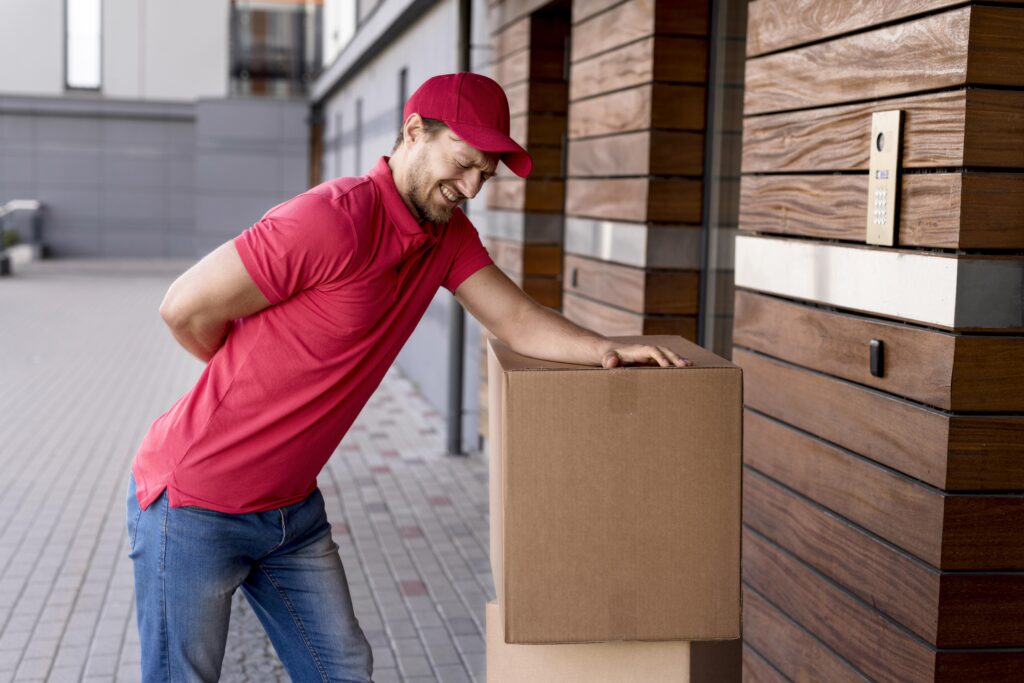

If you're among the 80% dealing with lower back pain, you might find relief through various techniques that address both symptoms and underlying causes. From physical therapy and targeted exercises to ergonomic adjustments, there's a range of options that can greatly improve your situation. However, understanding which combination works best for you is essential. What if the key to your recovery lies in a simple lifestyle change or an overlooked exercise? Exploring these techniques can lead you to a path of effective pain management and recovery.
Understanding Lower Back Pain
Lower back pain often strikes unexpectedly, affecting your daily activities and overall quality of life. You might find it challenging to lift objects, sit for extended periods, or even get a good night's sleep. Understanding the underlying causes of this pain is vital for tackling it effectively.
Typically, lower back pain can stem from various sources. Muscle strains or ligament sprains often arise from improper lifting techniques, sudden awkward movements, or prolonged poor posture. You might also experience pain due to herniated discs, where the cushioning between your vertebrae bulges and presses on nearby nerves. Conditions like arthritis, sciatica, or spinal stenosis can contribute to discomfort as well, making it essential to identify the root cause.
Moreover, lifestyle factors play a significant role in your lower back health. If you lead a sedentary lifestyle, lack of strength in your core muscles might leave your back vulnerable to injury. Conversely, excessive physical activity without proper conditioning can also lead to pain. Stress can tighten muscles in your back, further exacerbating discomfort.
Recognizing these factors empowers you to take proactive steps. Pay attention to your body and how it responds to different activities. Keeping a journal of your pain episodes can help you identify patterns and triggers. This awareness will guide you in choosing appropriate relief techniques and preventative measures tailored to your specific situation.
Understanding your lower back pain is the first step toward finding effective relief.
Importance of Early Intervention
When you address lower back pain early, you increase your chances of a timely diagnosis, which can lead to more effective treatment options.
Ignoring symptoms can allow the pain to worsen, potentially leading to chronic issues that are harder to manage.
Early intervention not only alleviates discomfort but also helps prevent long-term complications.
Timely Diagnosis Benefits
Early diagnosis of lower back pain can greatly enhance your recovery and overall well-being. When you identify the issue early, you're more likely to find effective treatments that can prevent the pain from worsening.
Early intervention helps you avoid complications that might arise from untreated conditions, such as chronic pain or mobility issues.
By seeking help sooner rather than later, you can work with healthcare professionals to create a tailored treatment plan that suits your specific needs. This could include physical therapy, medication, or lifestyle changes aimed at improving your strength and flexibility.
Timely diagnosis also allows you to stay informed about your condition. Understanding the root cause of your pain can empower you to make better choices regarding your health.
You can actively engage in discussions with your doctor about the best options available, leading to a more personalized approach to your care.
Moreover, addressing lower back pain early can save you time and money in the long run. By preventing the pain from escalating, you'll likely reduce the need for more invasive treatments or prolonged recovery periods.
Taking action now can lead to a healthier, pain-free future.
Preventing Chronic Pain
Chronic pain can be a debilitating condition that greatly impacts your quality of life, but taking action early can help you prevent it. When you first notice discomfort in your lower back, don't ignore it. Instead, acknowledge the signs and consider making lifestyle changes or seeking professional help. Addressing the issue early on can prevent further complications and the development of chronic pain.
You may want to incorporate gentle exercises or stretching into your daily routine to strengthen your back and improve flexibility. Regular physical activity can help keep your muscles and spine healthy.
Additionally, pay attention to your posture, especially if you sit for long periods. Using ergonomic furniture and taking frequent breaks can reduce strain on your back.
Don't hesitate to consult a healthcare professional if your pain persists. Early intervention, such as physical therapy or guidance on proper body mechanics, can help you avoid long-term issues.
Enhanced Treatment Options
Taking swift action at the onset of lower back pain can greatly enhance your treatment options and improve your recovery. When you address the issue early, you increase the likelihood of preventing it from becoming a more severe problem. Ignoring initial discomfort can lead to chronic pain and limit your mobility, making it harder to engage in everyday activities.
By seeking help promptly, you gain access to a wider range of effective treatments. Physical therapy, for instance, can help you strengthen your back and improve flexibility. You might also consider medications or alternative therapies like acupuncture, which can provide immediate relief.
Early intervention often leads to faster recovery, allowing you to return to your normal routine sooner. Additionally, your healthcare provider can guide you on lifestyle changes that may prevent future episodes, such as proper ergonomic practices and strengthening exercises.
When you act quickly, you're not just treating the pain but also investing in your long-term health. Remember, it's always better to err on the side of caution—taking action now can save you from more significant issues down the road.
Don't wait; your back will thank you!
Physical Therapy Techniques
When it comes to relieving lower back pain, physical therapy techniques can be a game changer.
You can benefit from stretching exercises to improve flexibility, strengthening your core muscles for better support, and manual therapy techniques to ease tension.
Stretching Exercises Benefits
Stretching exercises can greatly enhance your recovery from lower back pain, offering both immediate relief and long-term benefits. By incorporating specific stretches into your routine, you can improve your flexibility, reduce muscle tension, and promote better posture. These factors play an essential role in alleviating pain and preventing future discomfort.
When you stretch regularly, you encourage blood flow to the muscles surrounding your spine, which helps them recover more quickly. This increased circulation not only supports healing but also reduces stiffness, making it easier for you to move throughout the day.
In addition, stretching can help to lengthen tight muscles, which often contribute to lower back pain. You'll find that stretching can also enhance your overall body awareness. As you become more in tune with your body, you'll better recognize the signs of strain or tension, allowing you to address issues before they escalate.
Moreover, incorporating stretching into your daily routine can promote relaxation, reducing stress levels that may further aggravate your pain.
Strengthening Core Muscles
Strengthening your core muscles is essential for alleviating lower back pain and enhancing overall stability. A strong core supports your spine, reduces strain on your back, and improves your posture. You don't need fancy equipment to get started; simple bodyweight exercises can make a big difference.
Begin with planks, which engage multiple muscle groups. Hold a plank position for 20-30 seconds, gradually increasing the duration as you build strength. Side planks are also beneficial, targeting your obliques and stabilizing your spine.
You can try lying on your back with your knees bent and lifting your shoulders off the ground for crunches, focusing on controlled movements. Don't forget about bridges; they activate your glutes and lower back. Lie on your back, knees bent, and lift your hips towards the ceiling, holding for a few seconds before lowering.
Aim for 10-15 repetitions of each exercise, incorporating them into your routine several times a week. As you strengthen your core, you'll likely notice a decrease in lower back pain and improved overall functionality in daily activities.
Manual Therapy Techniques
Manual therapy techniques can be incredibly effective for relieving lower back pain and improving mobility. These hands-on approaches can help reduce muscle tension, improve circulation, and enhance overall flexibility.
When you visit a physical therapist, they'll often use methods like joint mobilization and soft tissue manipulation to address your specific issues.
You might experience techniques such as myofascial release, which targets the fascia surrounding your muscles, or deep tissue massage, designed to relieve chronic tension. These methods can be particularly beneficial if you've been dealing with stiffness or discomfort for an extended period.
Another valuable technique is spinal manipulation, where your therapist applies controlled force to your spine to restore proper alignment and function. This can lead to immediate relief and improved movement.
It's essential to communicate openly with your therapist about your pain levels and any areas of discomfort. They can tailor the treatment to suit your needs, ensuring you get the most effective care possible.
Exercise and Stretching
How can incorporating exercise and stretching into your routine alleviate lower back pain? Engaging in regular physical activity can strengthen your core muscles, enhance flexibility, and promote better posture, all of which contribute to reducing discomfort in your lower back.
Here are four effective exercises and stretches you might consider:
- Pelvic Tilts: Lie on your back with your knees bent. Tighten your abdominal muscles, flatten your lower back against the floor, and hold for a few seconds. Repeat this 10-15 times to strengthen your core.
- Cat-Cow Stretch: Start on your hands and knees. Inhale as you arch your back (Cow), and exhale as you round it (Cat). This dynamic stretch increases spinal flexibility and alleviates tension.
- Child's Pose: Kneel on the floor, sit back on your heels, and stretch your arms forward on the ground. This gentle stretch helps elongate your spine and relaxes tight muscles.
- Hip Flexor Stretch: Step one foot forward into a lunge position. Keep your back leg straight and push your hips forward. This stretch targets the hip flexors, which can contribute to lower back pain when tight.
Incorporating these exercises and stretches into your daily routine can't only relieve lower back pain but also help prevent future issues.
Always consult your healthcare provider before starting any new exercise program, especially if you're experiencing chronic pain.
Alternative Treatments
When it comes to managing lower back pain, many people find relief through alternative treatments. These methods can complement traditional therapies and offer you a holistic approach to pain management.
One popular option is acupuncture, which involves inserting thin needles into specific points on your body. This technique may help reduce pain by promoting blood flow and releasing endorphins, your body's natural painkillers.
Chiropractic care is another effective alternative treatment. Chiropractors use spinal manipulation to realign the vertebrae and relieve pressure on nerves, helping to alleviate pain. If you choose this route, make sure to consult a licensed professional who can tailor a treatment plan to your needs.
Massage therapy can also work wonders for lower back pain. A skilled massage therapist can target tight muscles and improve circulation, providing immediate relief and promoting relaxation. Regular sessions can help prevent muscle tension from returning.
Another option is physical therapy, which focuses on strengthening the muscles supporting your back. A physical therapist can design a personalized program that includes exercises, stretches, and manual therapy techniques to address your specific pain.
Lastly, herbal remedies, such as turmeric and ginger, have anti-inflammatory properties that could help reduce pain. Always consult with a healthcare provider before starting any new supplement, especially if you're on medication.
Exploring these alternative treatments might provide the relief you've been seeking, helping you regain mobility and improve your quality of life.
Mind-Body Approaches
Mind-body approaches can greatly enhance your ability to manage lower back pain. These techniques focus on the connection between your mental and physical states, helping you reduce stress and tension in your body.
By incorporating mind-body practices into your routine, you can promote relaxation and improve your overall well-being.
Here are four effective mind-body techniques you can try:
- Meditation: Spend a few minutes daily sitting quietly and focusing on your breath. This practice can help clear your mind and reduce the perception of pain.
- Yoga: Engaging in gentle yoga stretches can improve flexibility and strengthen the muscles supporting your lower back. Look for classes specifically designed for back pain relief.
- Visualization: Picture a calm and healing place in your mind. By visualizing this serene environment, you can help alleviate anxiety and shift your focus away from pain.
- Tai Chi: This slow, flowing form of martial arts encourages gentle movement and mindfulness. Practicing Tai Chi can enhance your balance and coordination while reducing muscle tension.
Incorporating these mind-body approaches into your daily routine can support your journey toward managing lower back pain.
You might find that by nurturing your mental health, you can experience a significant reduction in your physical discomfort.
Lifestyle Modifications
Making lifestyle modifications can greatly impact your ability to manage lower back pain. Start by incorporating regular physical activity into your routine. Gentle exercises like walking, swimming, or yoga can strengthen your back and core muscles, providing better support for your spine. Aim for at least 30 minutes of moderate activity most days of the week.
Next, pay attention to your weight. Maintaining a healthy weight reduces stress on your spine and can help alleviate pain. If you're overweight, consider adjusting your diet to include more fruits, vegetables, whole grains, and lean proteins while cutting back on processed foods and sugars.
Sleep is another vital factor. Make sure you're getting enough restorative sleep each night, as inadequate rest can exacerbate pain. Create a sleep-friendly environment, keeping your bedroom dark and cool, and establish a consistent sleep schedule.
Stress management is equally important. Chronic stress can lead to muscle tension and pain. Incorporate relaxation techniques such as deep breathing, meditation, or mindfulness into your daily routine to help reduce stress levels.
Lastly, stay hydrated. Proper hydration supports overall health and can prevent muscle cramps that may contribute to back pain. Aim to drink plenty of water throughout the day.
Ergonomics and Posture
Improving your ergonomics and posture can greatly reduce lower back pain. By making simple adjustments in your daily routine and workspace, you can alleviate discomfort and enhance your overall well-being.
Here are some key tips to help you maintain a healthy posture:
- Adjust Your Chair: Make sure your chair supports your lower back. Sit back in your chair, with your feet flat on the floor or on a footrest. Your knees should be at or slightly below hip level.
- Position Your Monitor: Your computer screen should be at eye level. This prevents you from bending your neck, reducing strain on your back. If you're using a laptop, consider using a stand to raise it to eye level.
- Keyboard and Mouse Placement: Keep your keyboard and mouse close enough to avoid reaching. Your elbows should be at a 90-degree angle and close to your body to minimize shoulder strain.
- Take Regular Breaks: Don't forget to stand up and stretch every hour. This helps relieve tension and encourages blood circulation, reducing the risk of stiffness and pain.
Over-the-Counter Remedies
When lower back pain strikes, many people turn to over-the-counter remedies for relief. These products can provide quick and effective solutions to ease your discomfort without the need for a prescription. Common options include nonsteroidal anti-inflammatory drugs (NSAIDs) like ibuprofen and naproxen. These medications work by reducing inflammation and alleviating pain, helping you get back to your daily activities faster.
Acetaminophen is another popular choice. It's effective for pain relief, though it doesn't tackle inflammation like NSAIDs do. If you prefer a topical solution, consider creams or gels that contain menthol or capsaicin. These products can provide localized relief by numbing the area or increasing blood flow, which can help reduce pain.
Additionally, heat and cold therapy can be beneficial. Applying a heating pad or a hot water bottle can relax tight muscles, while an ice pack can minimize swelling. You can alternate between heat and cold treatments for best results.
Always follow the recommended dosages on medication labels, and don't hesitate to reach out to your pharmacist for personalized advice.
Remember, while over-the-counter remedies can help manage your lower back pain, they're not a long-term solution. It's important to incorporate other methods, such as stretching and strengthening exercises, to address the underlying causes of your pain.
When to Seek Professional Help
Understanding when to seek professional help for lower back pain is essential for effective recovery. While many cases can be managed with home remedies, some situations require expert intervention.
If you experience any of the following, it's time to consult a healthcare provider:
- Persistent Pain: If your lower back pain lasts longer than a few weeks and doesn't improve with rest or over-the-counter medication, you should seek professional advice.
- Severe Discomfort: If the pain is severe and debilitating, making it hard to perform daily activities, it's vital to get a professional evaluation.
- Numbness or Tingling: Experiencing numbness, tingling, or weakness in your legs could indicate nerve involvement. Don't ignore these symptoms; they warrant immediate attention.
- Loss of Bladder or Bowel Control: This is a serious symptom that requires urgent medical evaluation. It could signify a serious condition like cauda equina syndrome, which needs prompt treatment.
Don't hesitate to reach out for help when you notice these signs. Early intervention can prevent further complications and lead to a quicker recovery.
Conclusion
In summary, if you're among the 80% struggling with lower back pain, remember that relief is possible through a combination of techniques. Prioritize early intervention, explore physical therapy, and commit to exercises that strengthen your core. Don't underestimate the power of lifestyle changes and ergonomic adjustments. Over-the-counter remedies can help, too. Stay proactive about your back health, and don't hesitate to seek professional help if your pain persists. Your journey to relief starts now!