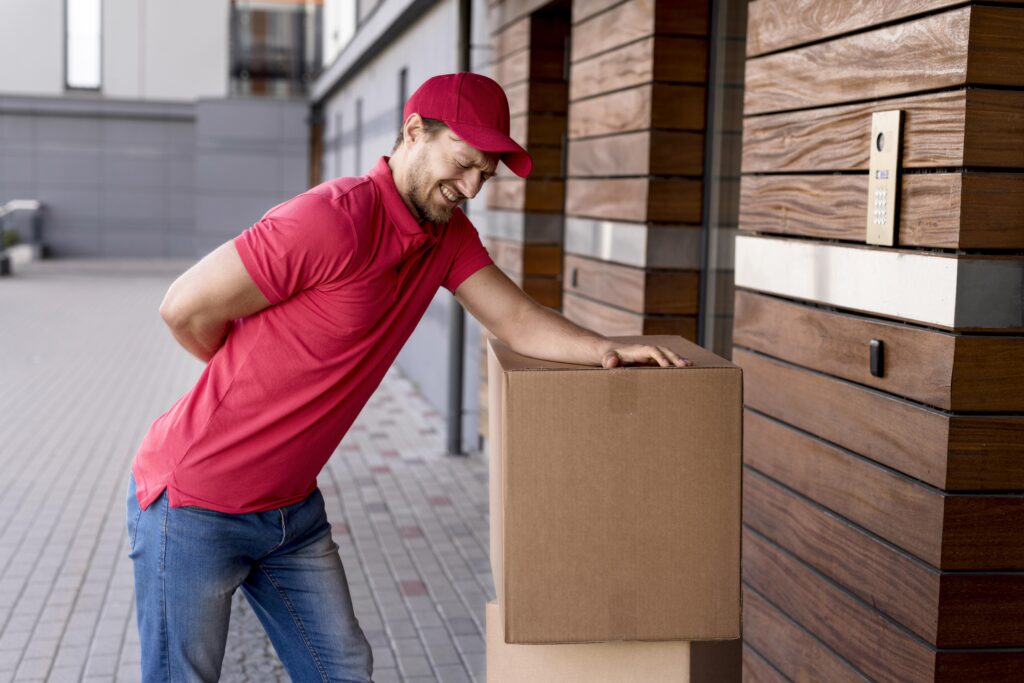

If you're dealing with lower back pain, you're not alone, and you might be wondering what steps you can take to find relief. There are several effective solutions that can help, from simple lifestyle changes to professional treatments. You may find that adjusting your posture or incorporating specific exercises makes a significant difference. But what about alternative therapies or other methods that could enhance your recovery? Understanding these options can lead you to a more comfortable and active life.
Understanding Lower Back Pain
Lower back pain is something many of us experience at some point in our lives, and it can range from a dull ache to a sharp, debilitating sensation. Understanding the nature of this pain is essential for effective relief. You might feel discomfort after lifting a heavy object, sitting for long hours, or even after an awkward twist. These activities can strain muscles, ligaments, or the spine itself, leading to inflammation and discomfort.
Various factors contribute to lower back pain, including age, physical condition, and lifestyle. As you age, your spine undergoes changes that can increase your risk for pain. If you're not physically active, your muscles may weaken, making them less capable of supporting your back. Conditions like herniated discs or arthritis can also play a role, leading to persistent pain that requires attention.
It's important to note that emotional stress can exacerbate physical pain. When you're anxious or depressed, you might unconsciously tense your muscles, which can lead to greater discomfort. Additionally, poor posture while sitting or standing can create additional strain on your lower back.
Identifying the specific cause of your pain is crucial. Keep track of when and how the pain occurs, and consider consulting a healthcare professional if the discomfort persists. They can help pinpoint the cause and suggest appropriate treatments tailored to your situation.
Lifestyle Modifications
Making lifestyle modifications can greatly impact your lower back pain and overall well-being. Simple changes can provide relief and prevent future discomfort. Here are some adjustments you might consider:
- Improve your posture: Pay attention to how you sit, stand, and walk. Good posture reduces strain on your back.
- Stay active: Regular physical activity can strengthen your back and core muscles, aiding in pain relief.
- Maintain a healthy weight: Excess weight puts additional stress on your lower back. A balanced diet and exercise can help you achieve and maintain a healthy weight.
- Ergonomic workspace: If you work at a desk, make certain your chair and computer setup promote good posture. An ergonomic environment can help minimize strain.
- Limit prolonged sitting: Take breaks to stand, stretch, and move around, especially if your job involves long periods of sitting.
Incorporating these lifestyle changes not only helps manage pain but also contributes to better overall health.
You'll find that being mindful of your body and its movements can make a significant difference. Additionally, consider exploring activities that promote relaxation, such as yoga or meditation, as they can help reduce stress, which often exacerbates pain.
Stretching and Strengthening Exercises
Incorporating stretching and strengthening exercises into your routine can greatly alleviate lower back pain and enhance mobility. These exercises target the muscles that support your spine, helping to improve flexibility and stability. By committing just a few minutes each day, you can considerably reduce discomfort and prevent further issues.
Start with gentle stretches like the cat-cow pose or child's pose. These stretches promote spinal flexibility and release tension in your back. Hold each position for 20 to 30 seconds while focusing on your breathing. You'll feel the tightness start to ease.
Next, focus on strengthening exercises. Plank holds and bridges are excellent choices. For planks, lie face down and then lift your body off the ground, supporting your weight on your forearms and toes. Hold for 20 to 30 seconds, gradually increasing the duration.
Bridges target the glutes, which play a vital role in supporting your lower back. Lie on your back with your knees bent, feet flat on the floor, and lift your hips towards the ceiling. Hold for a few seconds and lower back down.
Incorporate these exercises into your daily routine, aiming for at least three times a week. Consistency is key; over time, you'll notice improved strength and flexibility.
Always listen to your body, and if something doesn't feel right, modify or skip the exercise. By prioritizing these stretches and strengthening exercises, you're taking a proactive step towards reducing lower back pain and improving your overall well-being.
Posture Improvement Techniques
Improving your posture can greatly enhance the results of the stretching and strengthening exercises you've been practicing. Good posture isn't just about standing tall; it's about aligning your body in a way that reduces strain on your lower back.
Here are some effective techniques to help you maintain proper posture throughout your day:
- Sit Smart: Use a chair that supports your lower back. Keep your feet flat on the floor and your knees at a 90-degree angle.
- Stand Tall: Distribute your weight evenly on both feet, and keep your shoulders back and relaxed while your head is aligned with your spine.
- Use Ergonomic Tools: If you work at a desk, consider an ergonomic keyboard and mouse. These can help keep your wrists and back in a neutral position.
- Take Breaks: Stand up and stretch every 30 minutes. This not only helps your posture but also boosts circulation and reduces fatigue.
- Strengthen Core Muscles: Engage in exercises that target your core. A strong core supports your spine and helps maintain good posture.
Heat and Cold Therapy
Using heat and cold therapy can be a highly effective way to alleviate lower back pain. Both methods target pain relief and can be easily implemented at home.
Start with heat therapy, which increases blood flow to the affected area, promoting healing and relaxation. You can use a heating pad, warm towel, or take a warm bath for about 15 to 20 minutes. Just make sure it's warm, not scalding, to avoid burns. Heat is particularly beneficial for muscle tension or stiffness.
On the other hand, cold therapy helps reduce inflammation and numbs sharp pain. You can apply an ice pack or a bag of frozen veggies wrapped in a cloth for about 15 to 20 minutes. Cold therapy is especially useful right after an injury or if you're experiencing swelling. Remember to give your skin breaks between applications to prevent damage.
You might also consider alternating between heat and cold. This combination can be especially effective for chronic pain or muscle spasms. Start with heat to loosen up tight muscles, followed by cold to minimize any swelling or discomfort.
Always listen to your body; if something feels too uncomfortable, stop using it. It's crucial to find what works best for you.
Consistent application of these therapies can greatly improve your lower back pain and enhance your overall comfort.
Over-the-Counter Medications
When it comes to managing lower back pain, over-the-counter medications can be a go-to option for relief.
You'll find common pain relievers like ibuprofen and acetaminophen that may help ease your discomfort.
However, it's important to be aware of the proper dosage, safety guidelines, and potential side effects before you start using them.
Common Pain Relievers
For many people dealing with lower back pain, over-the-counter medications can provide quick relief and improve overall comfort. They're easily accessible and often effective for managing mild to moderate pain.
Here are some common pain relievers you might take into account:
- Acetaminophen: Helps relieve pain but doesn't reduce inflammation.
- Ibuprofen: A nonsteroidal anti-inflammatory drug (NSAID) that can reduce pain and inflammation.
- Naproxen: Another NSAID that offers longer-lasting relief than ibuprofen.
- Aspirin: Reduces pain and inflammation but may not be suitable for everyone.
- Topical analgesics: Creams or gels applied directly to the skin that can help soothe localized discomfort.
When you choose a pain reliever, it's crucial to take into account your specific symptoms and any pre-existing health conditions.
These medications can help you get through your day with less discomfort, allowing you to stay active and engaged in your daily life.
Always remember to read the label for instructions and potential interactions with other medications.
Dosage and Safety
Understanding the proper dosage and safety of over-the-counter medications is essential for effectively managing lower back pain. When you choose to use pain relievers like ibuprofen or acetaminophen, it's vital to follow the recommended dosage on the packaging or as advised by your healthcare provider.
Typically, for adults, the standard dosage for ibuprofen is 200 to 400 mg every 4 to 6 hours, while acetaminophen is usually 500 to 1000 mg every 4 to 6 hours.
Make sure you don't exceed the maximum daily limit, as doing so can lead to serious health issues. Also, consider your personal health history. If you have existing conditions such as liver disease or gastrointestinal issues, consult your doctor before taking these medications.
It's also wise to keep track of how often you use these pain relievers. If you find yourself relying on them regularly for relief, it might be time to evaluate other treatment options.
Potential Side Effects
Over-the-counter medications like ibuprofen and acetaminophen can provide relief for lower back pain, but they come with potential side effects you should be aware of.
While these medications are generally safe when used as directed, they can lead to unwanted complications if misused or taken for extended periods.
Here are some potential side effects to take into account:
- Gastrointestinal issues: You might experience stomach pain, nausea, or even ulcers with long-term use of NSAIDs like ibuprofen.
- Liver damage: Acetaminophen can be harmful to your liver, especially if taken in high doses or combined with alcohol.
- Kidney problems: Prolonged use of NSAIDs can affect kidney function, leading to fluid retention and other issues.
- Allergic reactions: Some people may have allergic responses, including rashes or difficulty breathing.
- Increased blood pressure: NSAIDs can elevate blood pressure, which is particularly concerning if you already have hypertension.
It's essential to consult your healthcare provider before starting any medication, especially if you have pre-existing health conditions or take other medications.
Always follow the recommended dosages to minimize risks.
Professional Treatments
When lower back pain persists despite home remedies, seeking professional treatments can be a crucial step toward relief. Healthcare providers can offer a range of options tailored to your specific needs.
First, you might consider visiting a primary care physician who can assess your condition, provide a diagnosis, and recommend appropriate treatments. They may suggest physical therapy as a first-line option, where a trained therapist guides you through exercises to strengthen your back and improve flexibility.
If your pain is severe or persistent, a specialist, such as an orthopedic surgeon or a neurologist, might be necessary. They can perform advanced imaging tests, like MRIs, to pinpoint structural issues. Depending on the diagnosis, they may recommend medications, such as anti-inflammatories or muscle relaxants, to help manage your pain.
In some cases, procedures like corticosteroid injections can provide temporary relief by targeting inflammation directly at the source. If conservative treatments fail, surgical options may be explored. Surgery is typically considered a last resort but can be effective for certain conditions like herniated discs or spinal stenosis.
Throughout this process, it's crucial to communicate openly with your healthcare provider about your symptoms and any concerns you have. They can help you navigate your options and develop a treatment plan that fits your lifestyle.
Alternative Therapies
When it comes to managing lower back pain, alternative therapies can offer effective solutions.
You might find relief through acupuncture, enjoy the benefits of chiropractic adjustments, or explore mindfulness and meditation techniques.
Let's take a closer look at how these options can help you feel better.
Acupuncture for Pain Relief
Exploring acupuncture for pain relief can offer a unique alternative for those struggling with lower back pain. This ancient practice involves inserting thin needles into specific points on your body to stimulate healing and alleviate discomfort. Many people find that acupuncture not only helps reduce pain but also improves overall well-being.
Here are some benefits you might experience with acupuncture:
- Reduced Pain: Many individuals report significant decreases in their pain levels.
- Improved Mobility: Acupuncture can help enhance your range of motion and flexibility.
- Stress Relief: This treatment promotes relaxation, which may reduce tension in your back.
- Holistic Approach: It addresses both physical and emotional aspects of pain, offering a thorough solution.
- Minimal Side Effects: Compared to medications, acupuncture generally has fewer adverse effects.
If you're considering acupuncture, make sure to consult a licensed practitioner. They can tailor your treatment to suit your specific needs and help you navigate any concerns.
With a little patience and commitment, acupuncture could become an effective tool in your journey towards a pain-free life.
Chiropractic Adjustments Benefits
Chiropractic adjustments offer another effective avenue for relieving lower back pain, complementing treatments like acupuncture. When you visit a chiropractor, they'll assess your spine and identify any misalignments that may be contributing to your discomfort. By using specific manual techniques, they'll realign your spine, which can lead to improved mobility and reduced pain.
Many people experience immediate relief after just one session. Regular adjustments can enhance your overall spinal health, helping to prevent future episodes of pain. You might also notice improvements in your posture, flexibility, and even energy levels.
In addition to pain relief, chiropractic care can help your body heal more effectively. By restoring proper alignment, you promote better circulation and nerve function, which are essential for recovery.
Moreover, chiropractic adjustments are often a safe and non-invasive option, making them suitable for various individuals, regardless of age or fitness level.
If you're looking for a holistic approach to managing your lower back pain, consider incorporating chiropractic adjustments into your routine. They can serve as a valuable part of your overall pain management strategy, enhancing your quality of life.
Mindfulness and Meditation Techniques
Mindfulness and meditation techniques can markedly help in alleviating lower back pain by fostering a deeper connection between your mind and body. These practices encourage relaxation and awareness, which can reduce tension and discomfort.
Here are some ways mindfulness and meditation can benefit you:
- Enhanced body awareness: By focusing on your body, you can identify areas of tension and learn to release them.
- Stress reduction: Mindfulness helps lower stress levels, which can contribute to muscle tightness and pain.
- Improved posture: Mindful awareness can help you maintain better posture, reducing strain on your back.
- Pain management: Meditation can alter your perception of pain, making it feel less intense.
- Emotional balance: Mindfulness fosters emotional resilience, helping you cope with pain-related stress.
To get started, find a quiet space where you can sit comfortably. Focus on your breath, and let your thoughts drift without judgment.
Regular practice can lead to significant improvements in your back pain and overall well-being. So, why not give it a try? You might discover a valuable tool for managing your discomfort and enhancing your quality of life.
Conclusion
Incorporating these solutions into your daily routine can greatly relieve lower back pain. By making lifestyle changes, practicing exercises, and exploring various therapies, you can enhance your physical and emotional well-being. Remember, it's crucial to listen to your body and consult a healthcare professional if your pain persists. Take charge of your health and embrace these strategies to enjoy a more comfortable and active life. You deserve to feel good every day!